
Book Summary
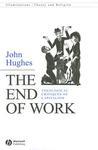
"The End of Work" explores the "problem of labor" from a theological perspective. Addressing both theologians concerned with how Christianity might engage in social criticism, as well as secular philosophers and political theorists, this book explores the connection between Marxist and Radical Christian Romantic traditions. Surveying twentieth-century theologies of work and contrasting various approaches to the topic, this book looks at the relationship between divine and human work, explores debates about labour under capitalism, and, through a thorough reading of Weber's "Protestant Work Ethic," argues that the triumph of the "spirit of utility" is crucial to understanding modern notions of work. Nineteenth- and twentieth-century Romantic and Catholic writers are then drawn upon to resist this with an alternative theo-aesthetic vision of the redemption of work as ultimately liturgical. Surveys twentieth century theologies of work, contrasting differing approaches to consider the "problem of labor" from a theological perspective. Aimed at theologians concerned with how Christianity might engage in social criticism, as well those who are interested in the connection between Marxist and Christian traditions Explores debates about labor under capitalism and considers the relationship between divine and human work Through a thorough reading of Weber's "Protestant Work Ethic," argues that the triumph of the "spirit of utility" is crucial to understanding modern notions of work Draws on the work of various twentieth century Catholic thinkers, including Josef Pieper, Jacques Maritain, Eric Gill, and David Jones Published in the new and prestigious "Illuminations" series.
Book Details
| Book Name | The End Of Work: Theological Critiques Of Capitalism |
| Author | John Hughes |
| Publisher | John Wiley & Sons (Oct 2007) |
| ISBN | 9781405158923 |
| Pages | 247 |
| Language | English |
| Price | 5446 |